
We have a new report celebrating the highlights of the GRA , available to download and share. Check it out HERE.
Test Aff
Latest News
The Global Research Alliance on Agricultural Greenhouse Gases (GRA) is very pleased to welcome El Salvador who joined us in June 2026 as our newest Member Country!
El Salvador’s participation in the GRA will be coordinated through the Ministry of Agriculture and Livestock (MAG), with its national focal point based at Centro Nacional de Tecnología Agropecuaria y Forestal (CENTA).
El Salvador recognises the importance of strengthening international cooperation, the exchange of scientific knowledge, and technological innovation aimed at reducing greenhouse gas emissions from the agricultural sector.
El Salvador considers participation in the Alliance to be a valuable opportunity to strengthen national capacities in research, mitigation, and adaptation to climate change, particularly in areas related to sustainable agriculture, soil management, resilient livestock systems, agroforestry systems, and food security.
Likewise, the country reaffirms its commitment to international climate action efforts, in line with the Paris Agreement and national priorities linked to sustainable development and climate resilience in the agricultural sector.
We warmly welcome El Salvador and look forward to their contributions to the GRA.
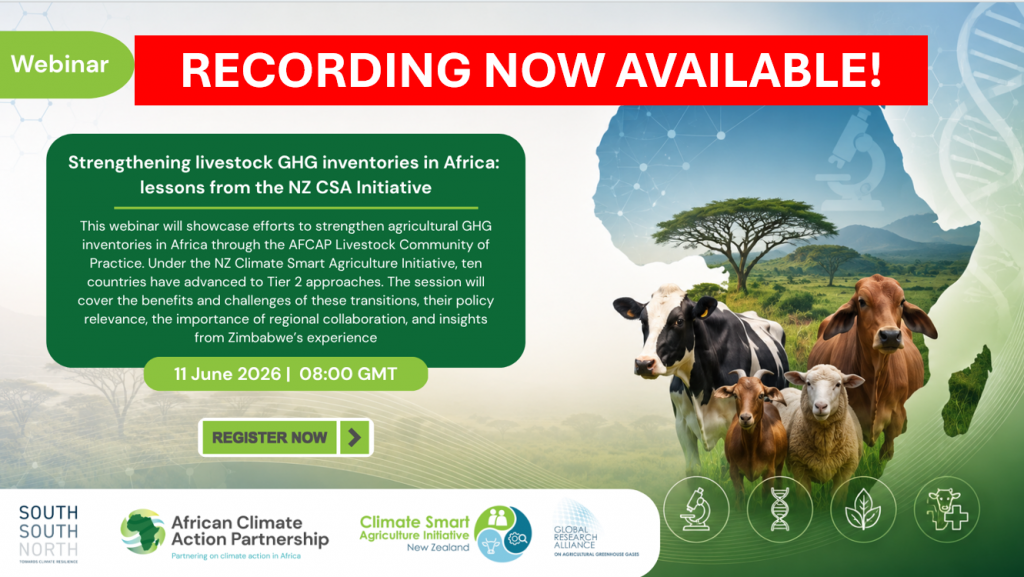
We are excited to announce the Round 7 recipients of Climate, Food and Farming – Global Research Alliance on Agricultural Greenhouse Gases Development Scholarships (CLIFF-GRADS). These PhD candidates from low- and middle-income countries have been selected from a large and highly competitive applicant pool, reflecting their outstanding qualifications and strong potential to advance agricultural climate research.
During 2026 and 2027, these fellows will undertake applied research focused on quantifying and mitigating agricultural greenhouse gas emissions, contributing to more sustainable food systems.
The 40 Round 7 CLIFF-GRADS fellows represent 21 countries from Asia, Africa, Latin America, and the Caribbean. They will carry out research placements at 33 host institutions worldwide.
CLIFF-GRADS offers short-term research placements of 4 to 6 months. These placements give early-career scientists access to specialized equipment, software, and international expertise not available at their home institutions. Fellows contribute to cutting-edge research in areas such as enteric methane, rice systems, soil emissions, and blue carbon ecosystems.
Please follow this LINK to learn about the scholars and research projects they’ll be part of.

October 2022
Webinar: The launch of the GLEAM Dashboard
FAO’s Global Livestock Environmental Assessment Model (GLEAM) provides a wealth of high-resolution greenhouse gas (GHG) emission data relating to livestock systems globally. These estimates are used by diverse stakeholders – including the private sector, countries and international organizations – to understand the nature and origins of GHG emissions from livestock systems, and so to help design and plan effective climate action in the sector. This FAO Science and Innovation Forum's side event will mark the release of the latest estimates…
Find out more »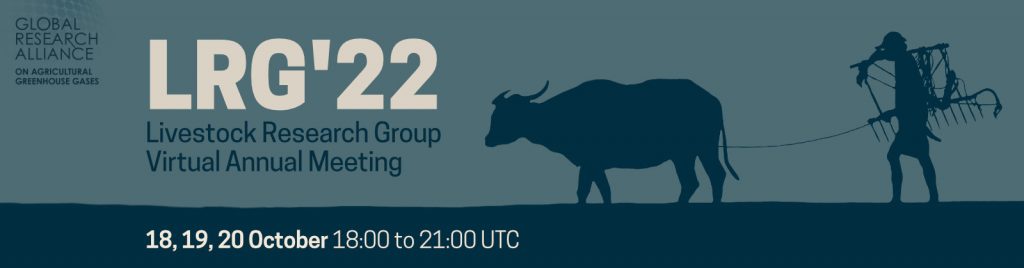
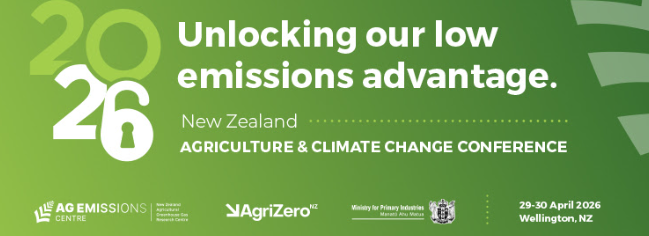
LRG’22 – Day 1
The Livestock Research Group of the Global Research Alliance is delighted to present the next Livestock Research Group Annual Meeting! The agenda can be found HERE. Registrations are open NOW! Please register by clicking HERE. If you have any questions, please email [email protected].
Find out more »LRG’22 – Day 2
The Livestock Research Group of the Global Research Alliance is delighted to present the next Livestock Research Group Annual Meeting! The agenda can be found HERE. Registrations are open NOW! Please register by clicking HERE. If you have any questions, please email [email protected].
Find out more »LRG’22 – Day 3
The Livestock Research Group of the Global Research Alliance is delighted to present the next Livestock Research Group Annual Meeting! The agenda can be found HERE. Registrations are open NOW! Please register by clicking HERE. If you have any questions, please email [email protected].
Find out more »XXI International N Workshop
Agro-food systems are fuelled by nitrogen. About 80% of this valuable resource is lost to the environment before reaching our plates. We refer to this loss as nitrogen waste. The ambitious goal of halving nitrogen waste by 2030 requires important coordination of many actors: multidisciplinary scientists, farmers, industry, policy-makers, NGOs, and consumers. The XXI International N Workshop will contribute to this challenge by welcoming contributions dealing with different spatial scales (from the plot to global) and system scopes (crop, livestock,…
Find out more »AgroEco2022 Conference
The 4th International Scientific Conference AgroEco2022: 'Agroecosystem Sustainability: Links between Carbon Sequestration in Soils, Food Security and Climate Change' will be held at Vytautas Magnus University Agriculture Academy (VMU AA), Lithuania, on October 26–27th, 2022. Main scientific topics of the Conference: Soil health and carbon sequestration for sustainabilitySoil and crop management towards a chemical pesticide-free agricultureBiodiversity, crop and production diversificationPrecision farming and digital technologiesFood quality and safetyClimate change mitigation Learn more HERE. REGISTRATION until September 30th. Late registration until October…
Find out more »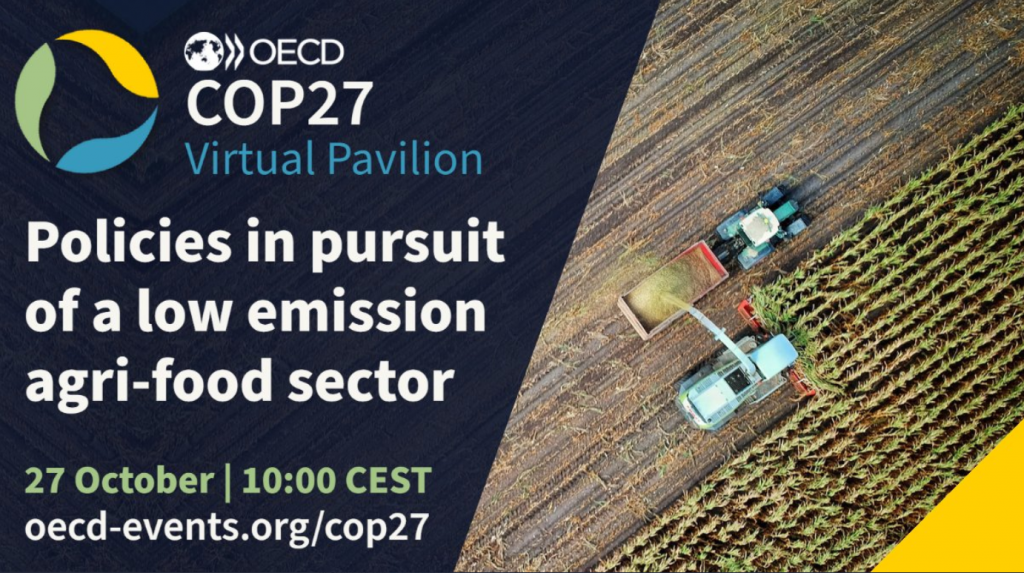
Webinar: Policies in pursuit of a low emission agri-food sector
This event is part of the OECD COP27 Virtual Pavilion. The agriculture and food sector (agri-food sector) is vulnerable to climate change and at the same time also a significant sources of global greenhouse gas (GHG) emissions. Reducing GHG emissions from the agri-food sector will be important in moving towards net-zero targets. There are various opportunities for the agri-food sector to reduce GHG emissions, yet the sector faces many complex challenges and lags behind others on climate change commitments and…
Find out more »November 2022
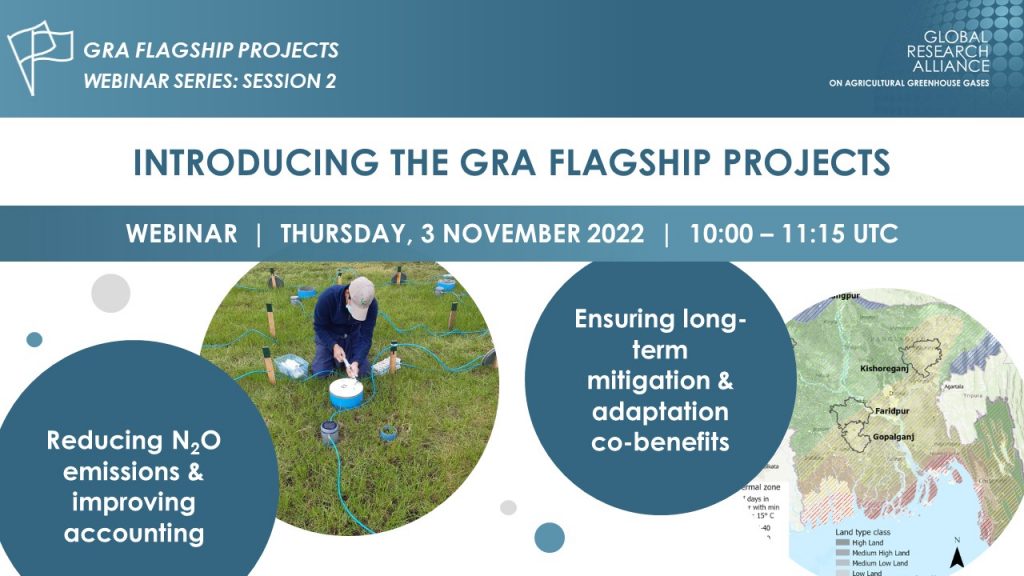
Webinar: Introducing the GRA Flagship Projects (II)
Join the Global Research Alliance on Agricultural Greenhouse Gases (GRA) on Thursday 3 November at 10am UTC for the second session in our Flagship Project webinar series. Learn more about two of the current GRA Flagship Projects, their key partners and how YOU could get involved. GRA Flagship Projects develop new knowledge to better understand agricultural greenhouse gases, have global relevance and applicability and generate high scientific impact. This session will introduce the following two Flagship Projects: Development of context-specific…
Find out more »Webinar: Wetlands – crucial for national climate commitments
The organisation of this event is being led by Wetlands International. The panelists and speakers will discuss the inclusion of wetlands, in particular peatlands and mangroves in climate commitments, such as the Nationally Determined Contributions, NDCs. The event will: highlight the crucial role of wetlands, in particular peatlands and mangroves, in achieving national climate goals,share insights and lessons learned on countries’ inclusion of wetlands into their climate commitments, including with the Global Peatlands Initiative,launch a summary brief and share the…
Find out more »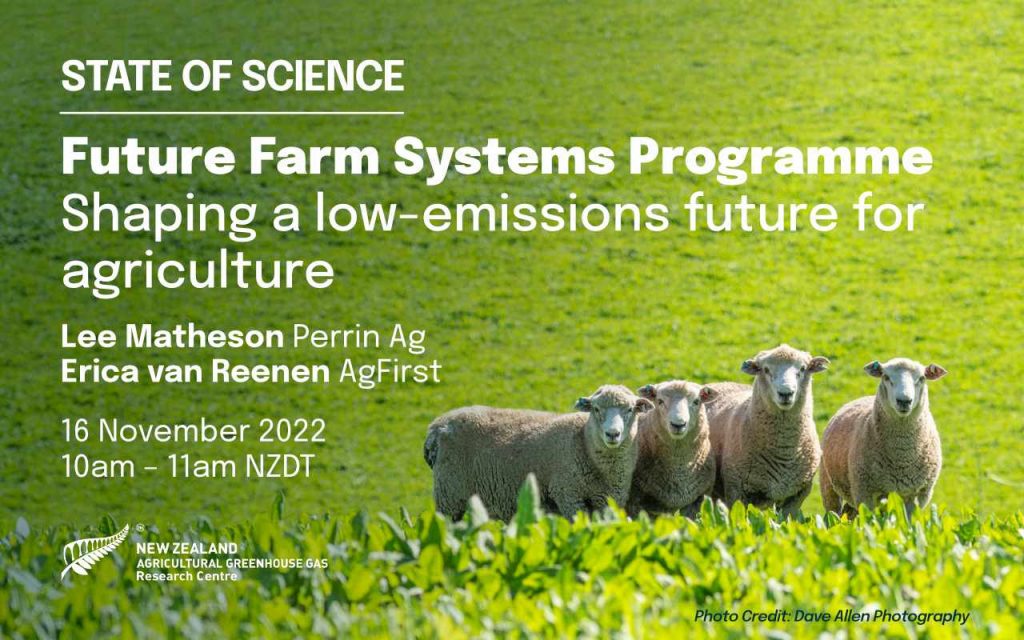
Webinar: Future Farm Systems – shaping a low-emissions future for agriculture
Join the NZAGRC for the next of their State of Science webinars, this time focused on their research into options for mitigating agricultural greenhouse gas emissions. Topic: Future Farm Systems Programme - shaping a low-emissions future for agriculture Presenter: Erica van Reenen (AgFirst) and Lee Matheson (Perrin Ag) Chair: Nicky Hyslop (Farmer Director, Beef + Lamb New Zealand Board and member of the NZAGRC’s Stakeholder Advisory Group) In mid-2022, after a year-long scoping phase, the NZAGRC launched a new ‘Future…
Find out more »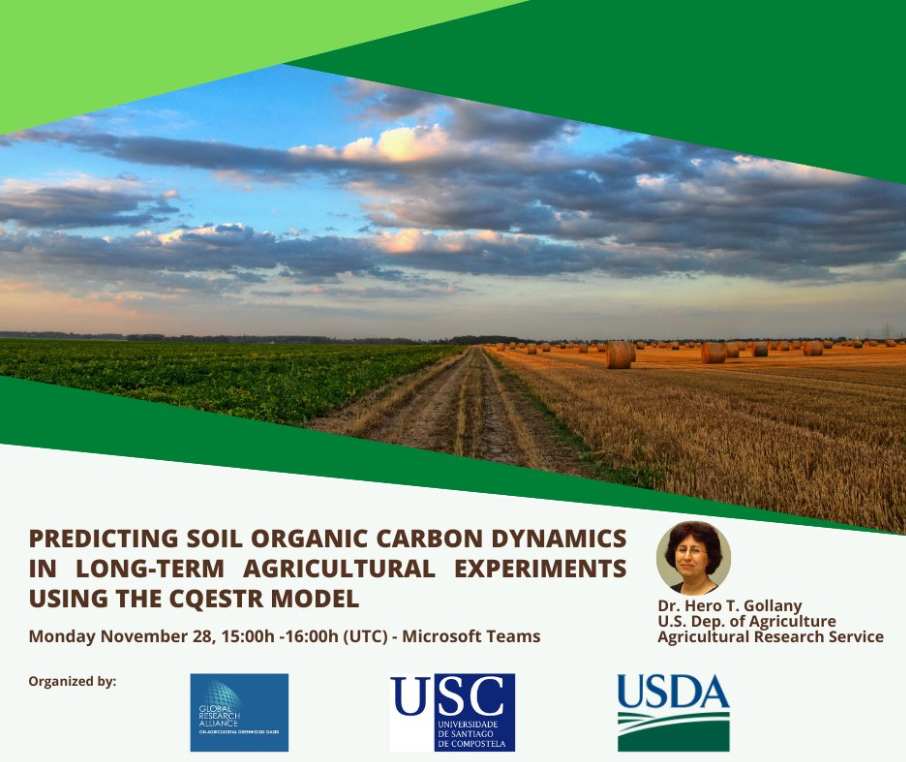
Webinar: Predicting Soil Organic Carbon Dynamics in Long-term Agricultural Experiments
Join the GRA Croplands Research Group for their next webinar titled "Predicting Soil Organic Carbon Dynamics in Long-term Agricultural Experiments Using the CQESTR Model" presented by Dr Hero Gollany (USDA). Register HERE.
Find out more »December 2022
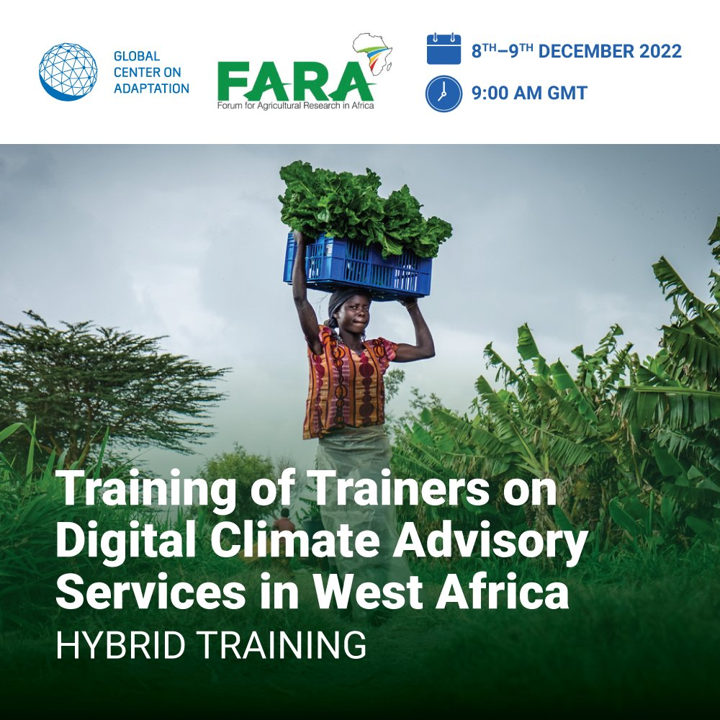
Training of Trainers on Digital Climate Advisory Services (DCSA) in West Africa
The Global Center on Adaptation (GCA) in Partnership with the Forum for Agricultural Research in Africa (FARA) is putting together the “Training of Trainers on Digital Climate Advisory Services (DCSA) in West Africa”. The training is scheduled as follows:- Date: December 8th and 9th 2022- Time: 09:00 am Greenwich Mean Time Kindly register for this training using the zoom link HERE. After registering, you will receive a confirmation email containing information about joining the training. Training Conditions: 1. The trainee…
Find out more »